Showing posts with label Trekking. Show all posts

Thursday, October 26, 2023

Nepal, Bhutan, Pakistan, Uzbekistan & Tajikistan: Recent Projects and Articles

 It's been a while since I posted much here (a pandemic kind of got in the way), so here's a few things that I've been up to over the last year and that might be of interest, especially if you are thinking of making a trip to Nepal, Bhutan, Pakistan, Tajikistan, Uzbekistan or the UK.


 Out now is my new Lonely Planet Guide to Nepal. It's one of the 'new look' Lonely Planet guides, which you will either love or hate. If you like magazine-style spreads, lots of photos, travel experiences, and bite-sized bits of information, you'll like it. If you like detailed maps, practical information, hotel prices and tips on how to get around on public transport, you'll hate what has happened to Lonely Planet. 

For trekkers you'll find expanded info on trekking in the new Nepal guide, including the addition of the Around Manaslu trek, but that comes at the cost of the LP Trekking in Nepal Himalaya guide, which hasn't been updated for many years now. I spent several happy weeks trekking in the Langtang, Everest and Manaslu regions for the new Nepal guide, as well as the remoter corners of the Kathmandu Valley. All said, it's a handsome guidebook, but have a look at it before you buy it, to check that it fits your travel needs. 


 Also out soon is the new Lonely Planet Guide to Bhutan, for which I spent five weeks this spring research Thimphu and the West, including a trek to Jhomolhari Base Camp. Bhutan is one country that actually fits Lonely Planet's new-look format, given that everyone headed there has to be on a guided tour. Bhutan is easily my favourite destination of all time and it's a place I would wholeheartedly recommend, if you can afford it! My thanks to Bhutan Mountain Holiday and Druk Asia, both of whom were excellent in arranging the logistics of my trip.


 My third guidebook project was a long-distance hiking guide, the Trailblazer Guide to the Pennine Way. This was a quite different project for me;  a three week backpacking walk along the spine of northern England updating this very, very detailed and practical guide that covers almost every gate, bench and cafe along the trail. It was a physical challenge to simultaneously walk the 268 mile (431km) trail and research the sleeping and eating options in the towns along the walk. The book is out now and I'm currently finishing Trailblazer's Cleveland Way guidebook, which I walked this September.


 Apart from those, there have been some digital planning articles for Lonely Planet, including Things You Need to Know Before Visiting Pakistan, The Best Road Trips in Pakistan and The Top Things to Know Before Visiting Uzbekistan.


 I also wrote some content on Trekking in Bhutan and Trekking in Tajikistan for the excellent Horizon Guides.If you are interested in trekking in either of these fantastic destinations, or just trekking in general I'd recommend checking them out. They give an introduction to what's trekking like in these destinations, offer a rundown of the main treks and then give a FAQ on the things you need to know to plan a trek there. Horizon Guides do all kinds of interesting travel and trekking content, all for free, so check out their site.


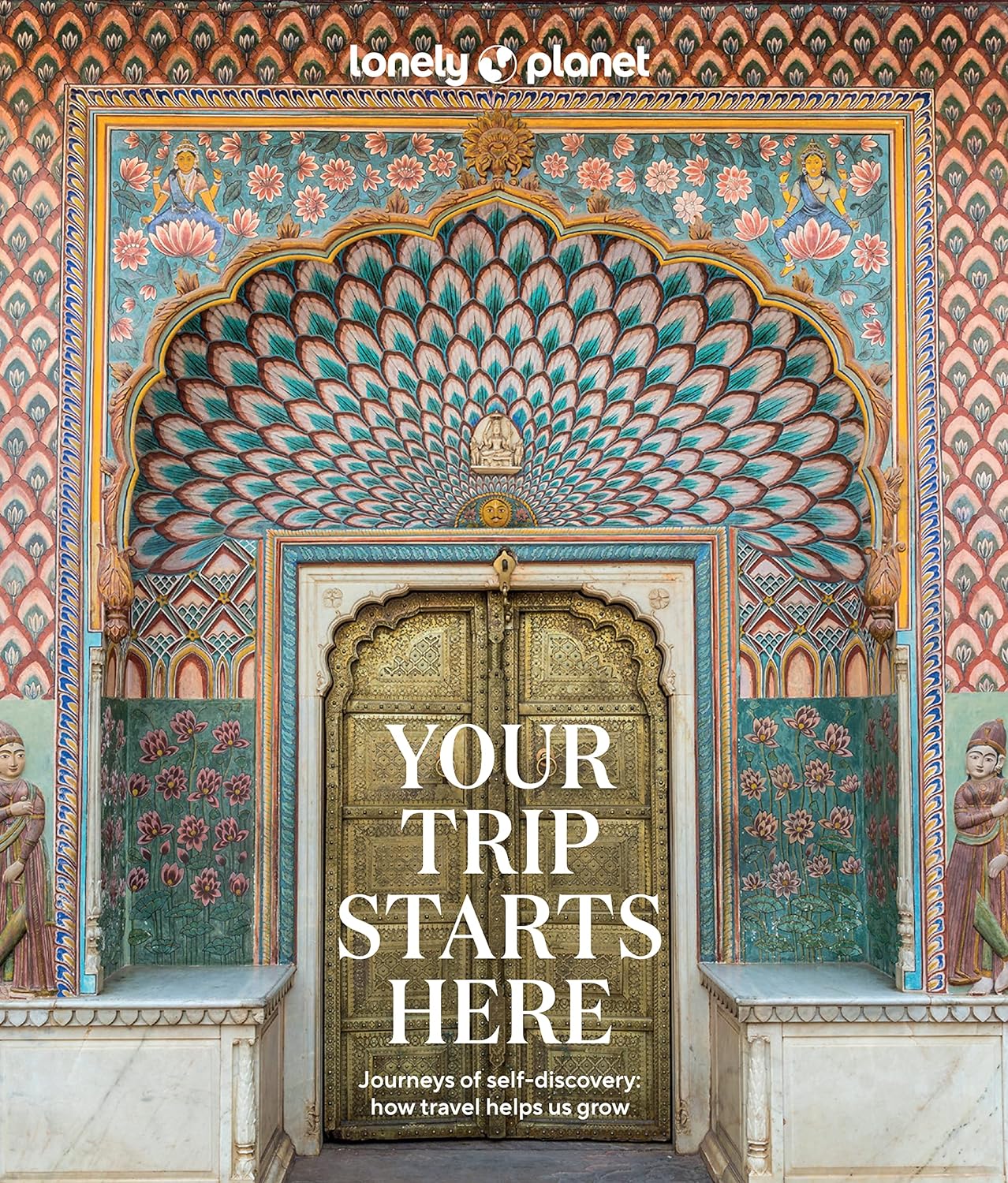
 Finally, I wrote entries on trips to Mt Kailash in Tibet, Langtang in Nepal and Lhasa in Tibet for Lonely Planet's Your Trip Starts Here reference book. Dare I suggest, it's a good Christmas present for the adventurous traveller in your life!


That's enough self-promotion for me. Thanks for reading. 

Next up for me is a research trip to Sri Lanka. Bring on the sun!


Sunday, August 18, 2019

Trekking in Nepal's Mustang region - 15 Things You Need to Know When Planning a Trek


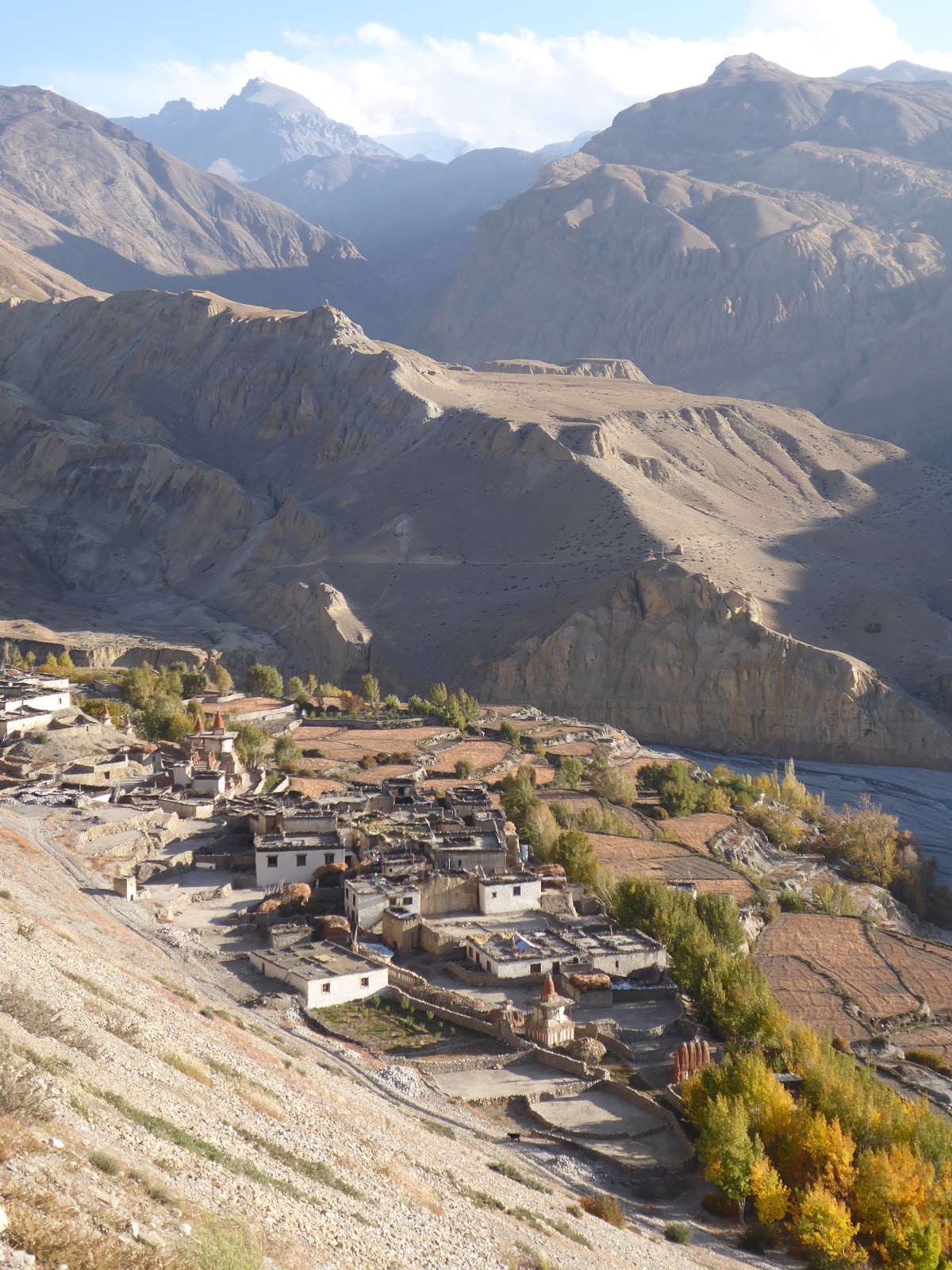
Upper Mustang is one of the most stunning corners of the Nepal Himalaya. If you've ever been drawn to Tibet, Ladakh or the remoter parts of Nepal, the chances are you'll love the barren beauty, traditional Transhimalayan villages and Tibetan-style monasteries and cave murals of this former Buddhist kingdom. Simply put, it's one of the world's great treks.

But it's changing. Fast. A lot of information in print and even online is now outdated, so here are 15 things you need to know about planning a visit to Mustang now. Anything from more than a couple of years ago is now invalid.


Trekkers on the road near Ghemi, dwarfed by the Annapurna range to the south.

1) Roads The main thing to know is that there is a dirt road now from Jomsom to Lo Manthang up the western side of upper Mustang, via the villages of Kagbeni, Samar, Syangboche, Geling, Ghemi and Tsirang (Charang). Traffic is light but there are at least a dozen jeeps a day, all of which will cover you in choking clouds of dust if you are walking along the dirt road. Of less significance is that the road now continues from Lo Manthang north to Choser and on to the China/Tibet border at the Kora La pass.

Walking on a road always sucks, so you really want to avoid the road as much as possible by making the following detours. The flipside for glass-half-full types is that you can now hire jeeps to cover all or part of the journey to Lo Manthang, shifting the trip from a trek into an adventurous 4WD or overland motorbike option.


Setting off on the upper Mustang trek from Kagbeni


2) Detour to the Chungsi Cave from Samar. The footpath detour from Samar village involves some climbing, a steepish descent and then a gradual climb, but it's worth it for the dramatic scenery and for the interesting cave of Guru Rinpoche, where you can do a small kora around an earth chorten covered in votive plaques, with several naturally arisen statues hidden in the darkness. Oddly the cave is looked after by two Hindu priests. It's wild and remote, and best of all it avoids the road. Overnight at guesthouses in Syangboche.

Descending to the Chungsi Cave

Admiring the cave chorten at Chungsi


3) Detour number two is from Ghemi via an impressive set of chortens to the dramatic red Drakmar cliffs. From here a steep switchbacking trail climbs over a pass to descend to overnight in Tsirang. The next day you can head up valley to visit Ghar Gompa, the oldest in Mustang, before climbing another pass to descend to Lo Manthang. This avoids the fairly dull road walk from Tsirang to Lo Manthang via the Sungda chorten.

Chorten en route to Drakmar
Caves burrow into the red cliffs of Drakmar


4) Budget some time in Tsirang (Charang). There's plenty to see in this charming traditional village, including the 16th-century Thubten Shedrup Dhargyeling Gompa and an old fort that was once home to the royal family and doubles as a small museum.

Descending to the oasis village of Tsirang, one of Mustang's largest settlements


5) If possible budget three days in Lo Manthang. You'll need one day inside the walled inner town to see the three amazing temples restored with Italian assistance. Day two can take you on a day hike northwest to Tingar, looping around to a cliffside cave retreat and then up to the fort above Lo Manthang. Day three could be a day trip to Choser or to Konchokling. With your own transport you could even drive to the Tibetan border at the Kora La.

Rooftop view of Lo Manthang
Cliffside meditation retreat across the valley from Tingar


6) Overnight in Choser. There are a couple of guesthouses in the village of Choser, a couple of hours walk north of Lo Manthang and almost no tourists stay there, so you'll get the place to yourself. Visit the monastery and the two cave complexes above town.
Inside the Nupchokling Caves above Choser
Climbing up through the four-storey cave complex of Jhong, near Choser


7) Visit the caves of Konchokling. This isn't an easy trip but if you are not afraid of heights it's well worth it. Firstly it's a hike (or 4WD drive) up a side valley, then a switchbacking climb to the end of the dirt road. Then the real hike starts on a sometimes fairly exposed path down and then up to a ridge top ruin. The trail then drops through eroded gullies before you lower yourself down a yak hair rope to finally reach the caves. Magic.

Eroded landscape around Konchokling
cave murals of Konchokling


8) Walk back via the east valley path. Road don't really connect the east valley path. It's a wilder, more remote and much less visited section that ended up being our favourite part of the trek. The scenery is wild and the villages are stunning. Note that there is one exposed section between Tangye and Chhusang that can be a bit hairy if you are afraid of heights.

Trekker descending to Dhi


9) Spend two nights in Yara and make the day trip to Luri Gompa. Yara is a lovely village with a series of photogenic wind-eroded cliffs to the west. Best of all is the day hike to the Tashi Kabum caves and on to Luri Gompa for some stunning examples of Buddhist cave art. A teahouse offers a chance to break before arriving back at Yara. 

Sensuous eroded cliff and caves of Yara
Scenery around Yara


10) Budget some time in Tangye and Tetang villages. These are two of the most atmospheric villages in Mustang. Unfortunately most trekkers arrive late and leave early but if you can arrange things to spend at least an hour poking about, you'll be happy.

Tangye village


11) You don't need to camp. There are guesthouses in every village, including Chele, Samar, Syangboche, Ghemi, Tsarang, Lo Manthang, Choser, Yara, Tangye, Tetang and Lubra.
Advertising, Lo Manthang

12) Finish off the trek from Tetang, leaving upper Mustang via views of the Thorung La and Nilgiri peak at the Gyu La, before dropping down to the Hindu pilgrimage site of Muktinath. Muktinath has become very busy in recent years so consider overnighting in Jhong or Jharkot instead. The next day continue to Jomsom via the roadless Lubra Valley.

Scenery around Jharkot in lower Mustang


13) Hire a jeep between Jomsom and Kagbeni. It's an unpleasant walk, windy and dusty and with hundreds of jeeps headed to Muktinath. Don't do it. 

Descending the Lubra valley from Muktinath at the end of the trek


14) For a really wild expedition-style camping trek, walk from Kagbeni to Dolpo; or from Tangye over the 5595m Teri La to Nar-Phu, or from Yara to peak climbing in the wild Damodar Himal. For these you'll need full agency help.

Trekkers leaving Yara village
15) Do Your Research Before visiting the restored murals in Lo Manthang be sure to watch the following documentaries: Lost Treasures of Tibet by Nova/PBS, Lost Caves of Tibet and Sky Caves of Nepal by National Geographic; and Mustang: A Kingdom on the Edge by Al Jazeera.

Stunning Buddhist mural art at Luri Gompa

Monday, July 18, 2016

Backpacking Off Trail in the Beartooths

The Absaroka-Beartooth Wilderness on the Montana-Wyoming border is my favourite backpacking destination in the Greater Yellowstone region. The remarkable thing about the plateau is that you are mostly above the treeline, in high alpine tundra country normally reserved for treks in places like Tibet or the high Himalaya.

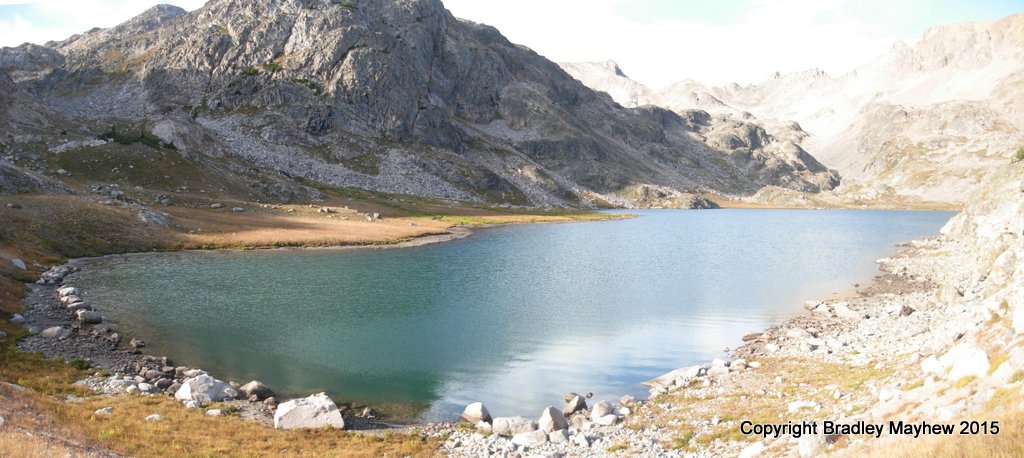
If my other summer backing trip to Bechler was all about waterfalls, then the Beartooths are all about lakes, hundreds of them in fact, and you can hardly walk for more than 20 minutes without passing another one. The landscape is high altitude tundra, a bit like the higher valleys of Nepal (think Gosainkund lakes), and this makes for easy walking and even easier routefinding. If you have a good map and navigation skills you can pretty much walk anywhere. The following was my four-day itinerary, but the options are endless. Click on the following pictures to see them larger.

Day One starts at Clay Butte trailhead, west of Beartooth Lake, and heads across the plateau towards Martin Lake. This is an established trail and so you might find other hikers on this section.


Kidney Lake with the Beartooth wall behind
Wright Lake and Martin Lake
Campsite night one, Martin Lake


Day two heads off trail, east up to the three dramatic Cloverleaf Lakes, then north to Two Bits Lake at the base of the Beartooth wall. From here I climbed up to the top of the ridge for aerial views of Sky Pilot Lake and the valley of Rock Lake to the east. A scramble can take you down the ridge to High Pass Lake, which makes for a great traverse option from Rock Lakes (accessed from near Red Lodge). The route then took me back down onto the plateau and west past Donelson and Maryott lakes to drop down steeply past charming Pleides Lakes and then up the valley to Flat Rock Lake for night two.

Cloverleaf Lakes
Two Bits Lake
Sky Pilot Lake
Rock Lake
High Pass Lake
Two Bit Lake and Lonesome Peak from the north
Pleides Lakes
Flat Rock Lake


Day Three Leave your main pack at Flat Rock Lake and make a detour loop up the valley past Varve Lake and Navajo Tarn to the iceberg-full lake of Castle Rock Glacier. From here you can shortcut south to Copepod and Cladocera lakes. Then it's a short, sharp descent back to Flat Rock Lake, where you can enjoy lunch beside the stunning lake. Then follow the river downstream past Castle Lake and Summerville Lake to Green Lake, where you'll have to wade across the northwest inlet to access Lake Elaine for a sublime night three.

Castle Rock Glacier
Castle Rock Glacier
Cladocera Lake
Flat Rock Lake
South from Flat Rock Lake
Lake Elaine
Lake Elaine camp
Lake Elaine dusk


Day Four is easy; hiking around the west side of Lake Elaine, through the forest and river gorge to Granite Lake (a great lunch spot) and then uphill, past several lakes and a confusing section of trail (keep your wits about you here) to eventually rejoin the trail you took in on day 1. You'll be back in your car in the early afternoon, to reach Red Lodge or Cooke City in time for a cold beer.

Lake Elaine
Trail back to Beartooth Butte


Practical Tips
Bring bear spray and have it accessible in a holster. August and September are the best months to avoid mosquitoes, but bring bug spray any time. Invest in Beartooth Publishing's 1:100,000 Absaroka Beartooth Wilderness map and also check out the terrain beforehand on Google Earth.


Tajikistan

Tajikistan
Classic Pamiri Scenery of Gorno Badakhshan

Current Favourite Track